

Támogatott projektek
| Project title | Green connection project |
|---|---|
| Project code | NCTA-2014-10813-E |
| Thematic area | Environment and sustainable development |
| Name of the organization | Green Connection Association |
| Postal address | 3525 Miskolc, Kossuth utca 13. |
| Phone | 06-30/899-50-04; 46/505-077 |
| info@zoldkapcsolat.hu | |
| Webpage | http://www.zoldkapcsolat.hu |
| Project manager | Spisák Edina |
| Project timeframe | March 2nd, 2015 - April 30th, 2016 |
| Amount of support | 14,996 € |
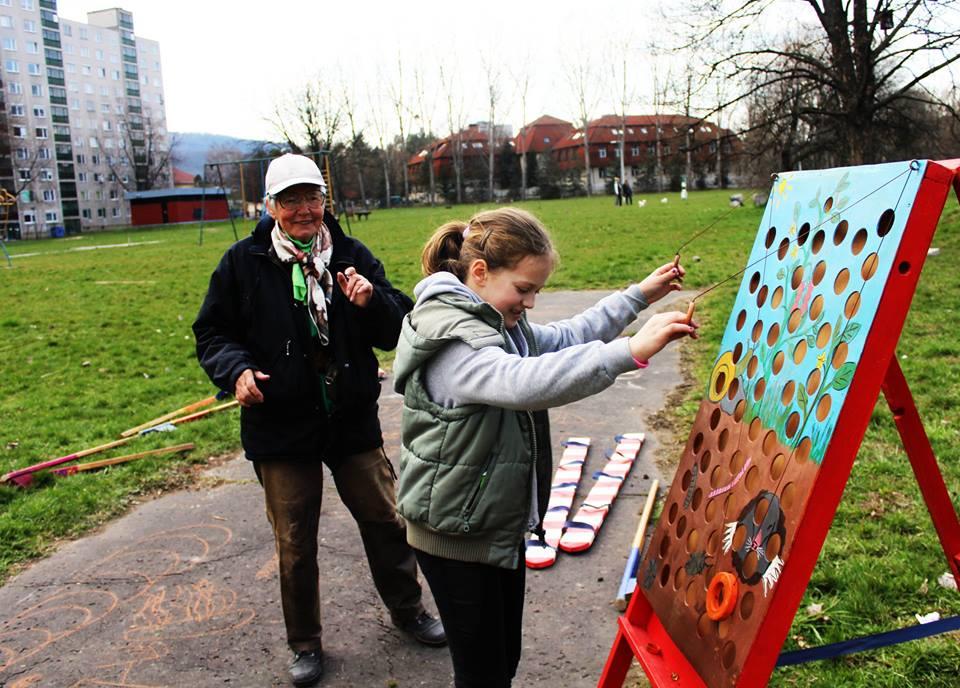
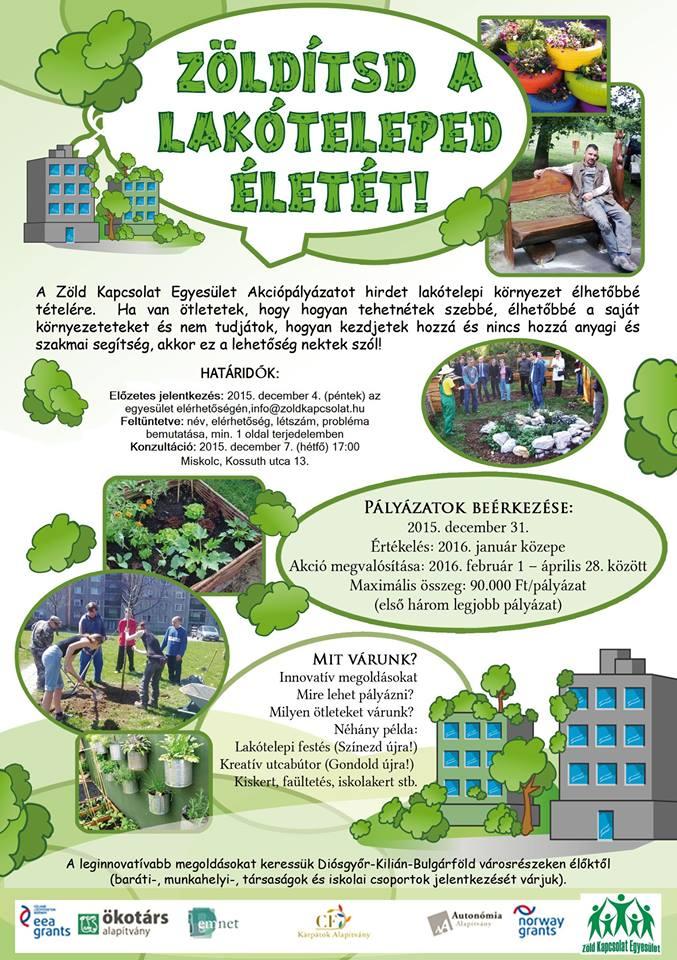
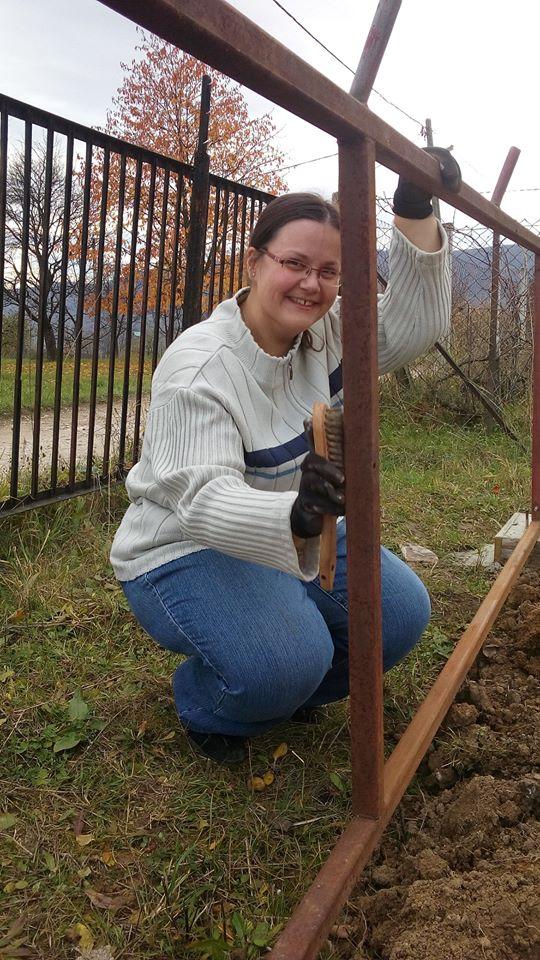
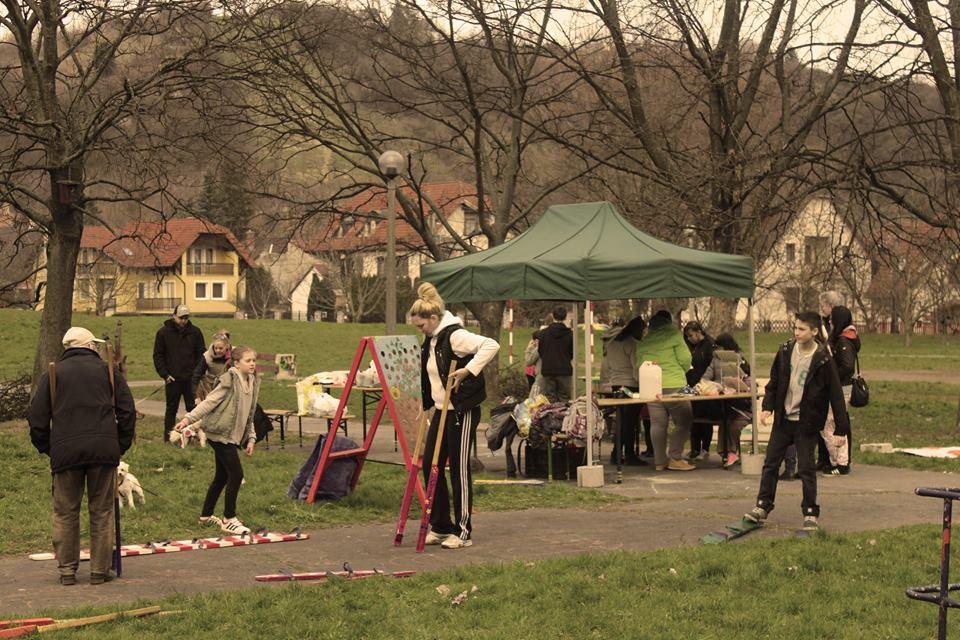
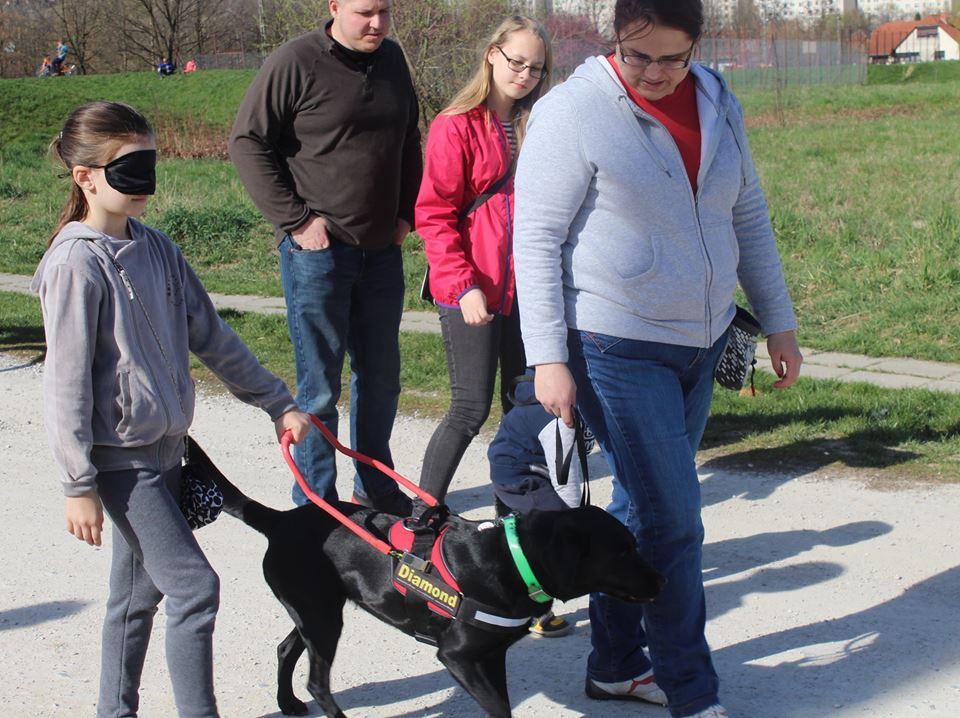
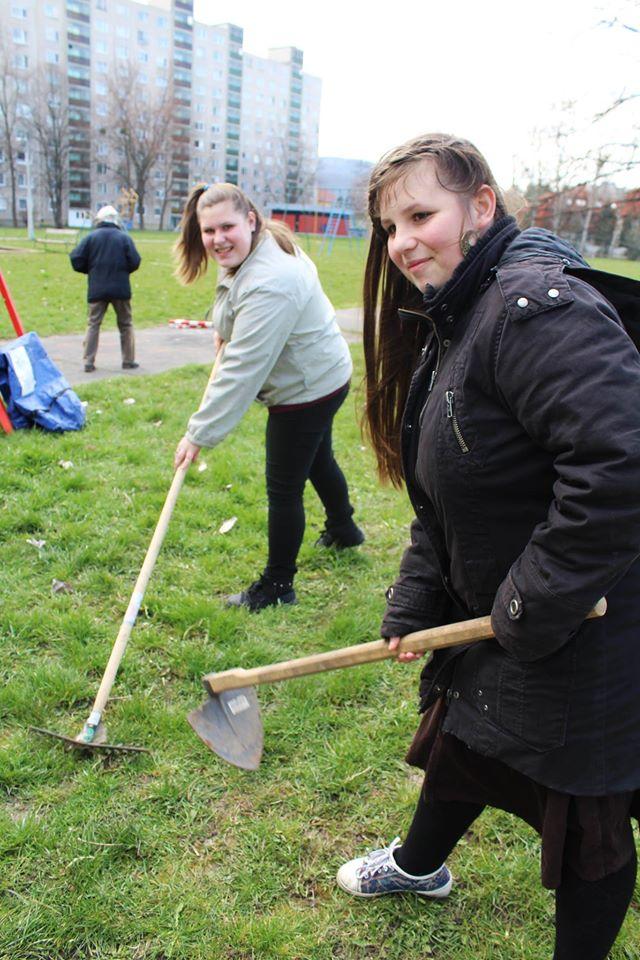
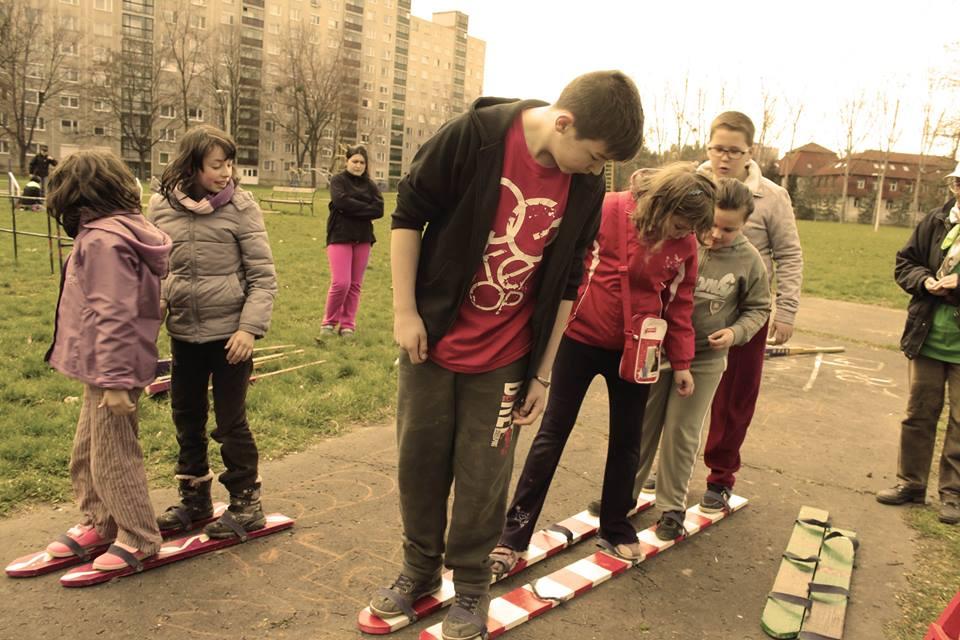
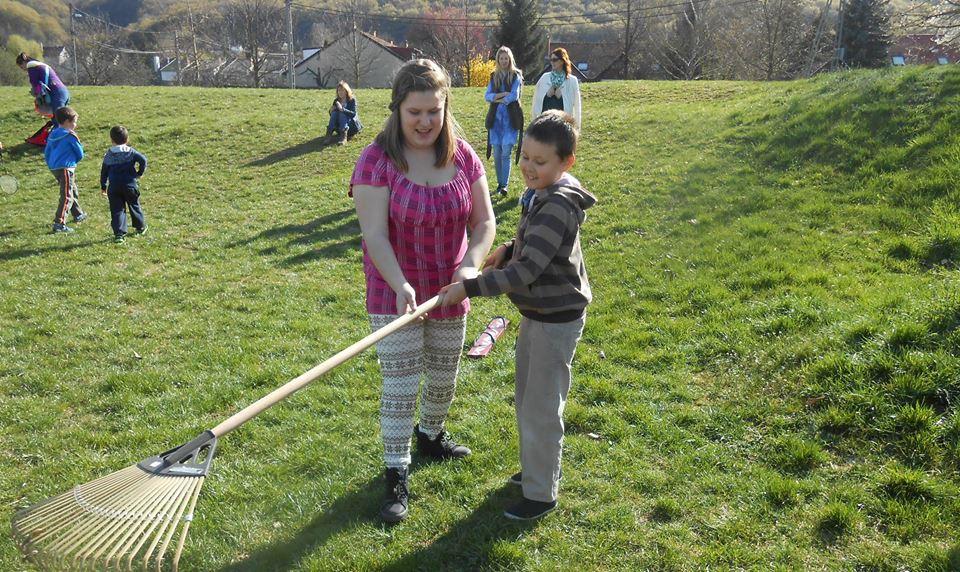
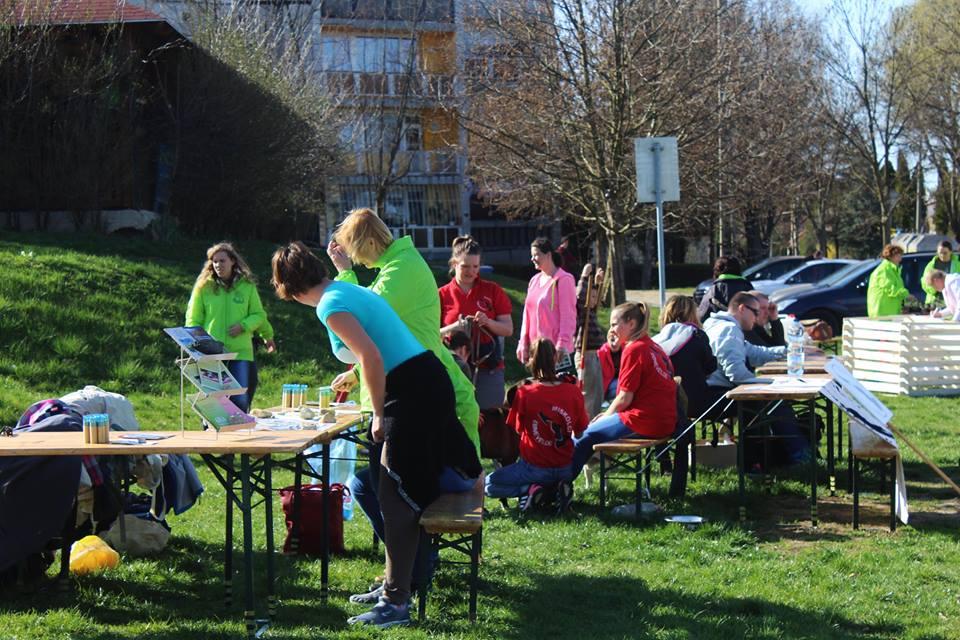
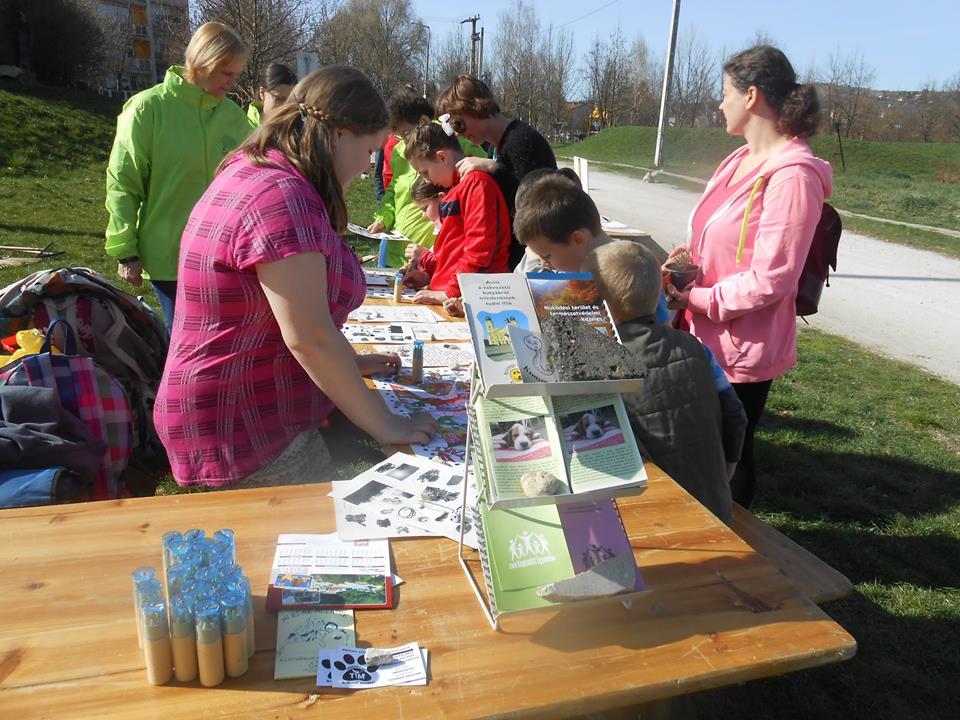
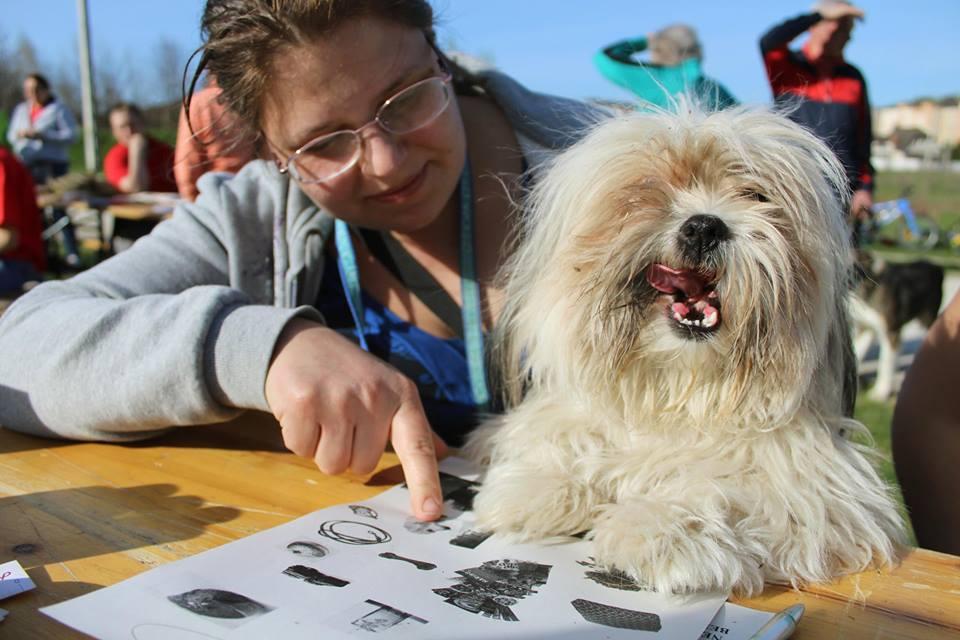
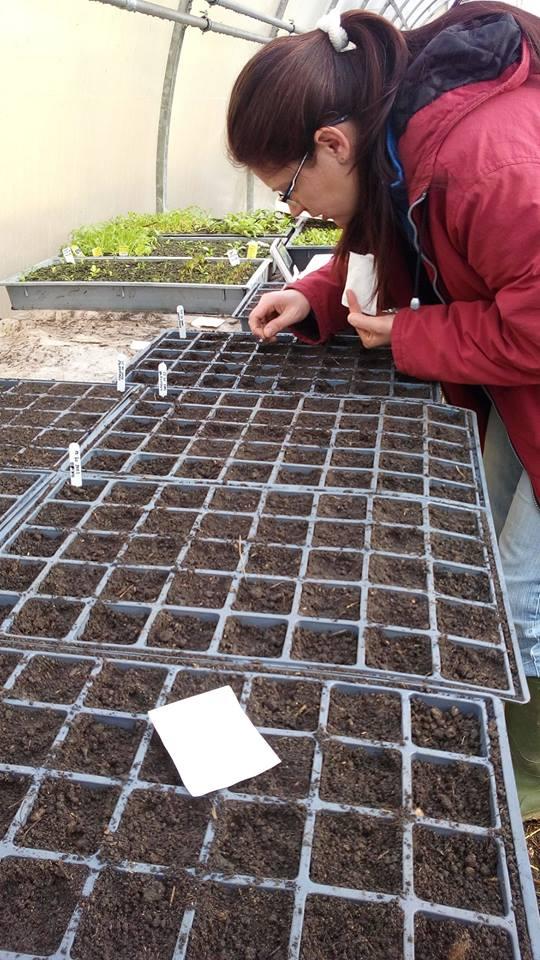
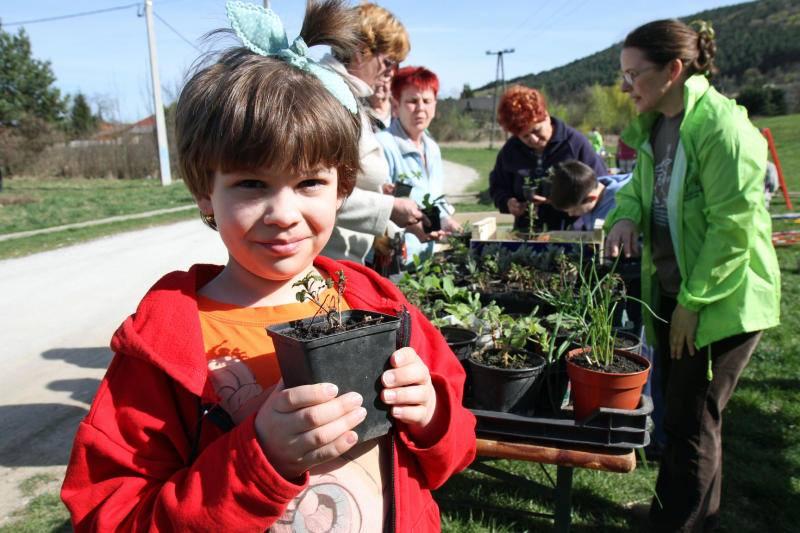
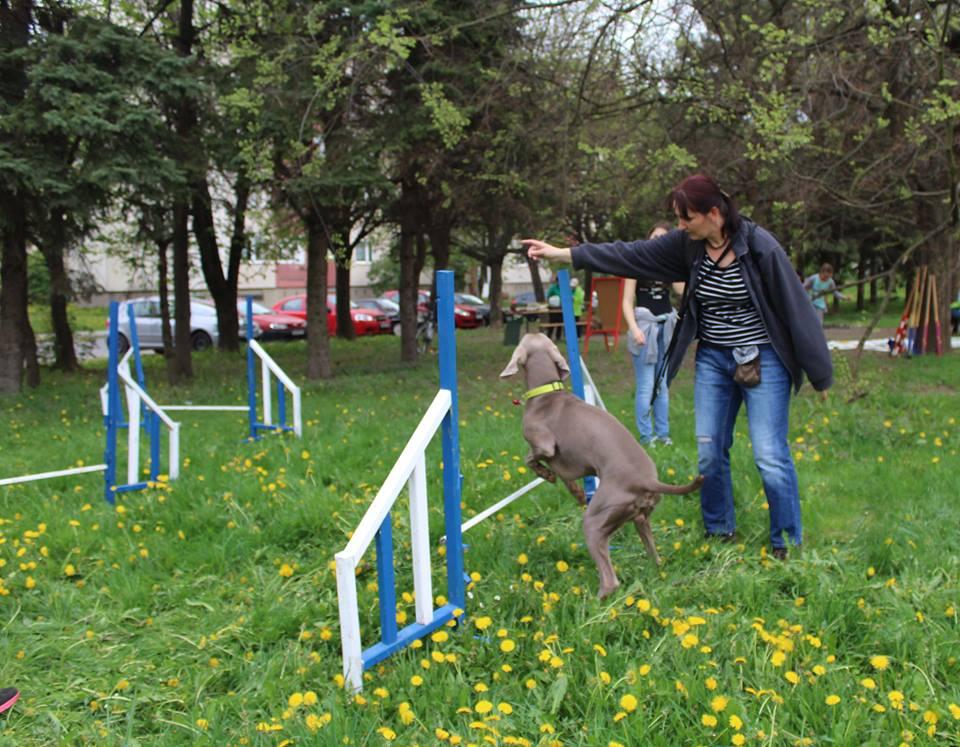
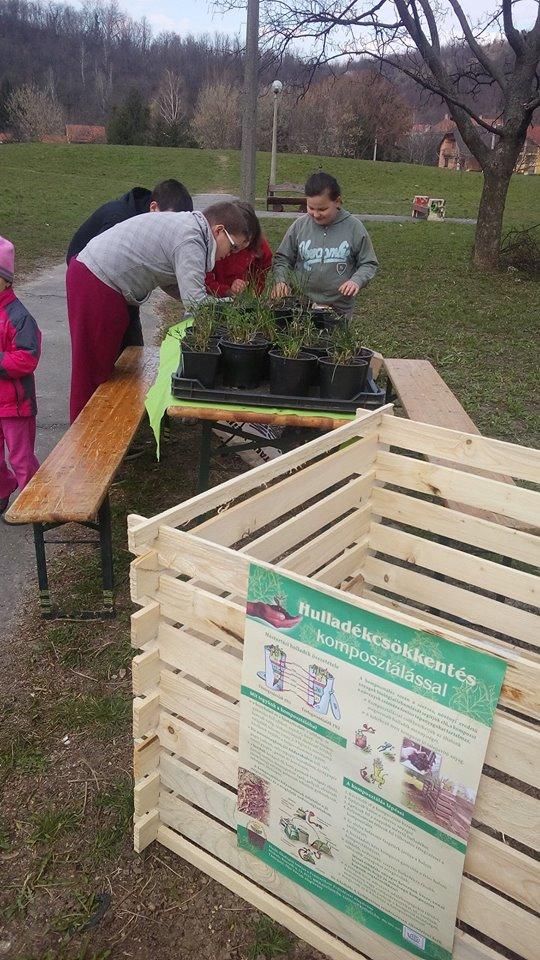
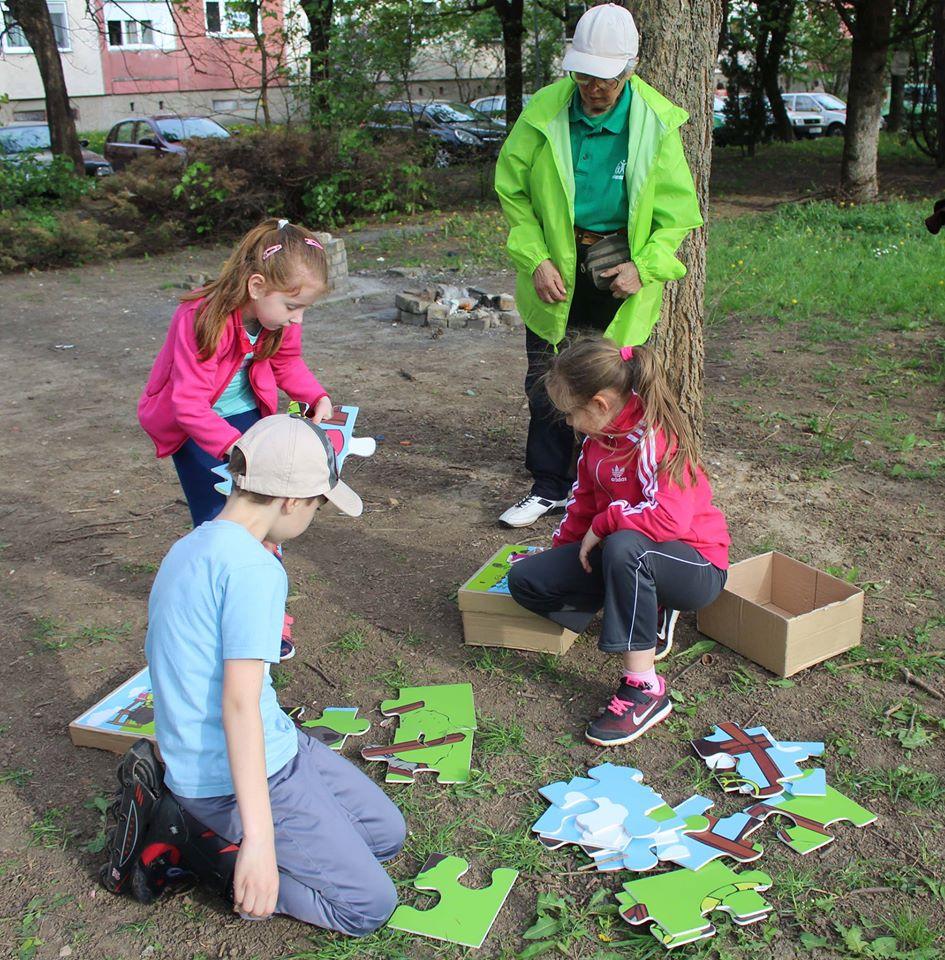
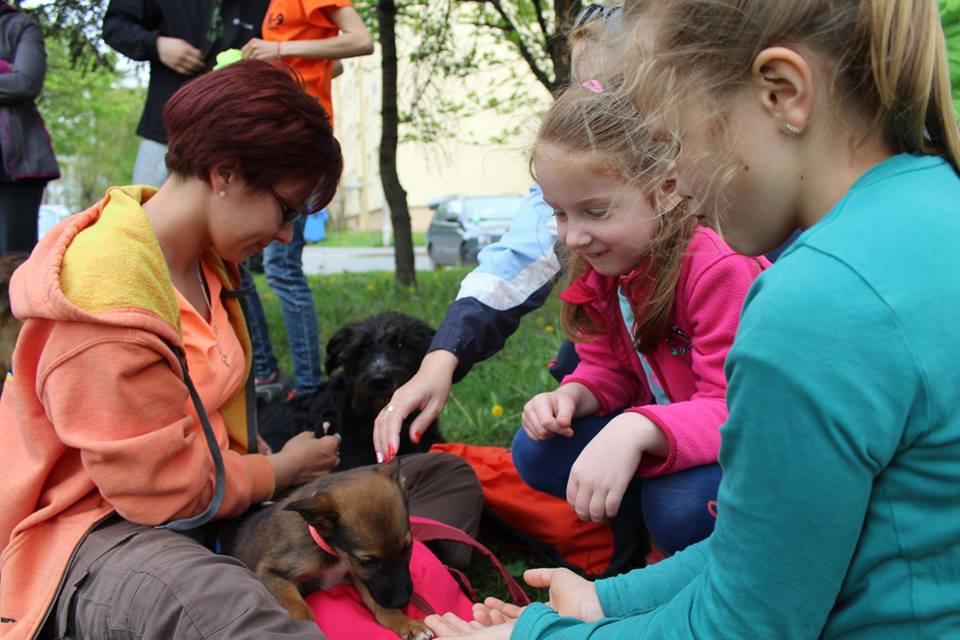
The project focused on the environmental awareness raising and community-based involvement in the target area (around 400 households on the Diósgyőr-Bulgarfield, Kilián, Árpád Street residential complexes), counteracting certain negative social and cultural tendencies. The most important tool for this was 3 "Move!" family days and 3 dog-keepers action day. Special attention was paid to the promotion of balcon-agriculture, for which a small publication was distributed together with seedlings at 6 one-day event combined with personal consultation on related issues. Based on a public call 3 residential neighborhood development mini-actions were also implemented.
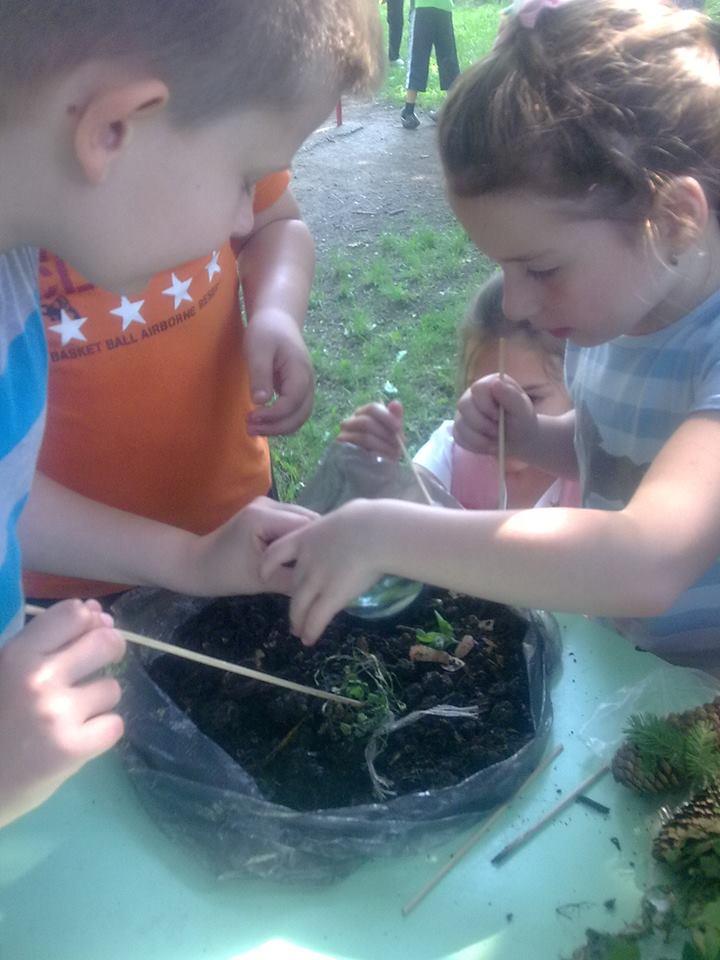
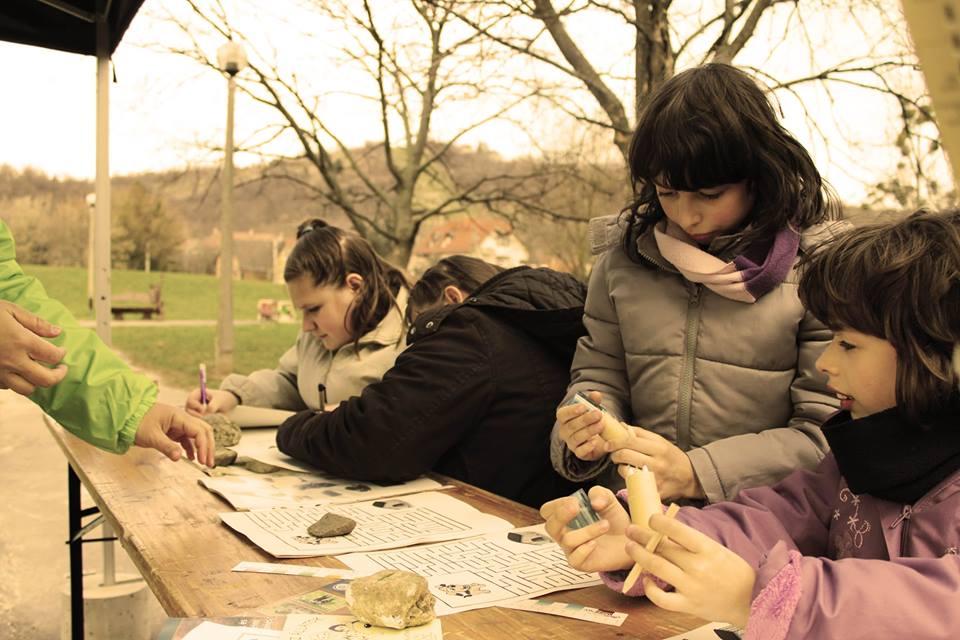
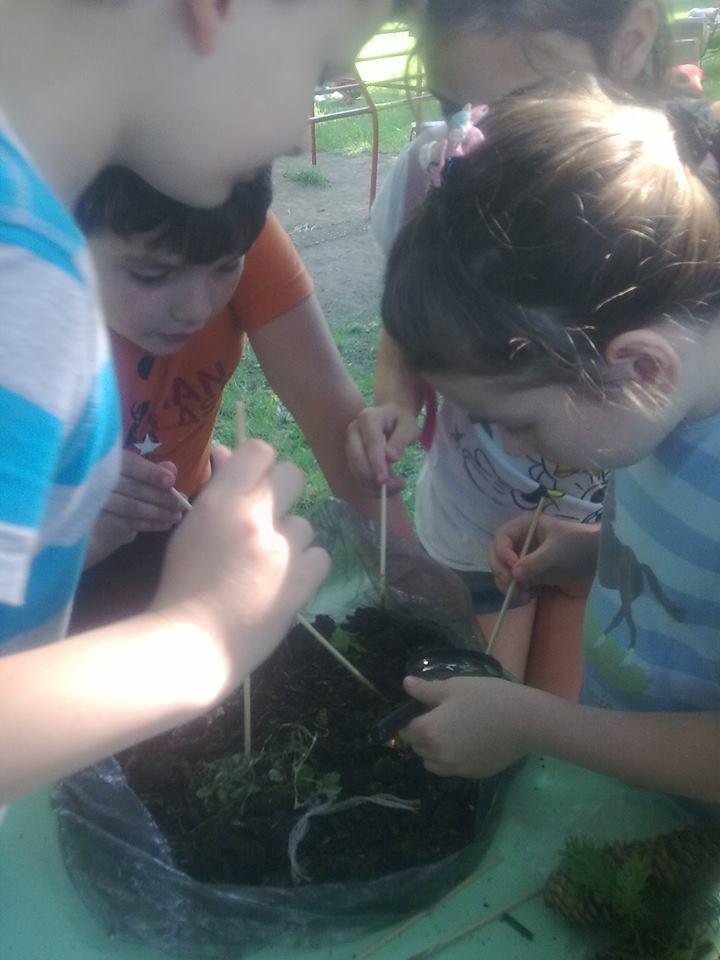
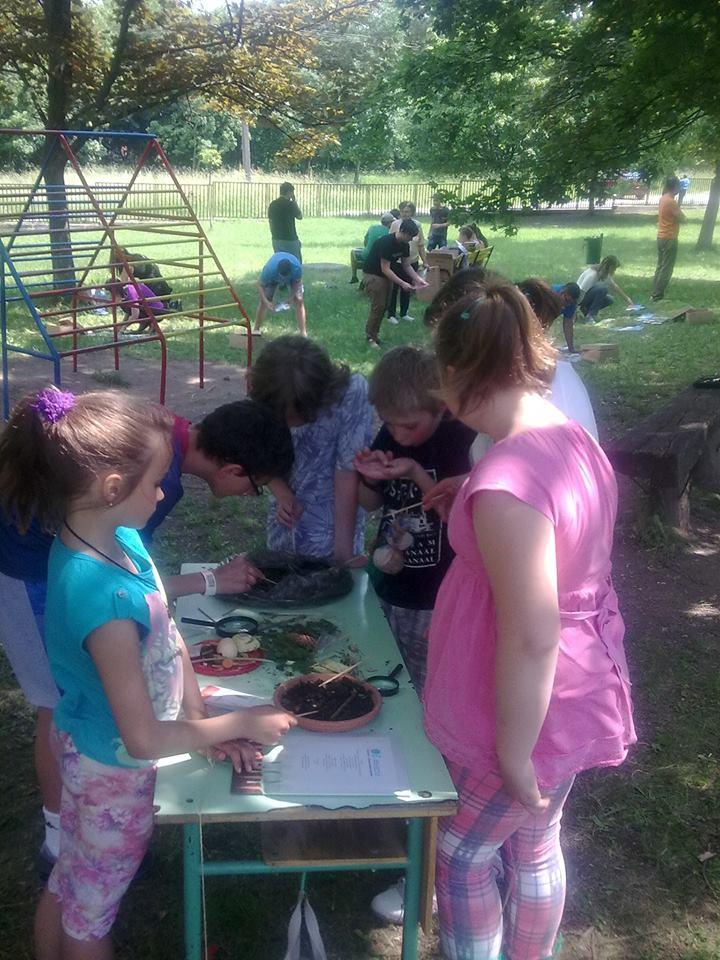
In local schools, 6 thematic days were held on composting. In five of them the institutional operations were evaluated involving students on the basis of environmental considerations, making concrete proposals and carrying out greening measures. On the 2015 Earth Day a large-scale competition was held for them in the parks of the neighborhood.
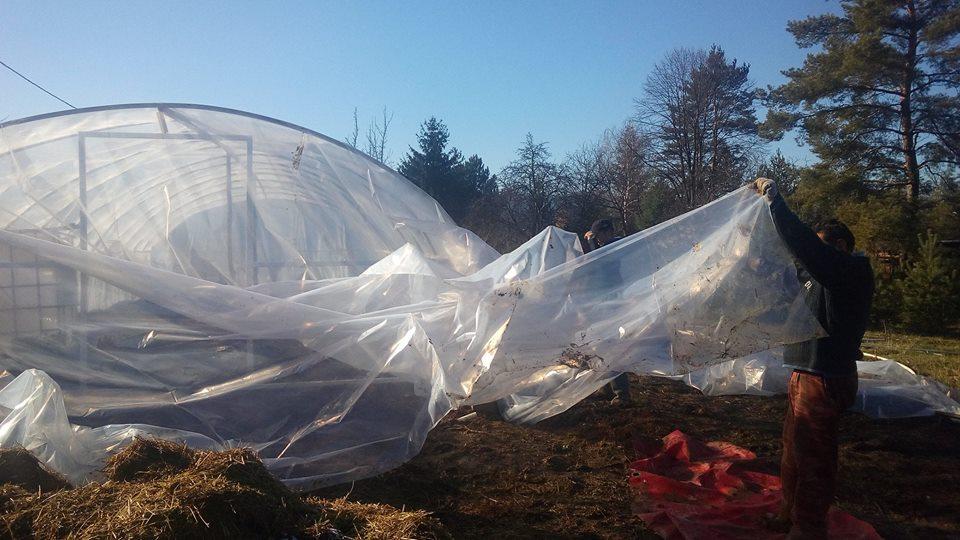
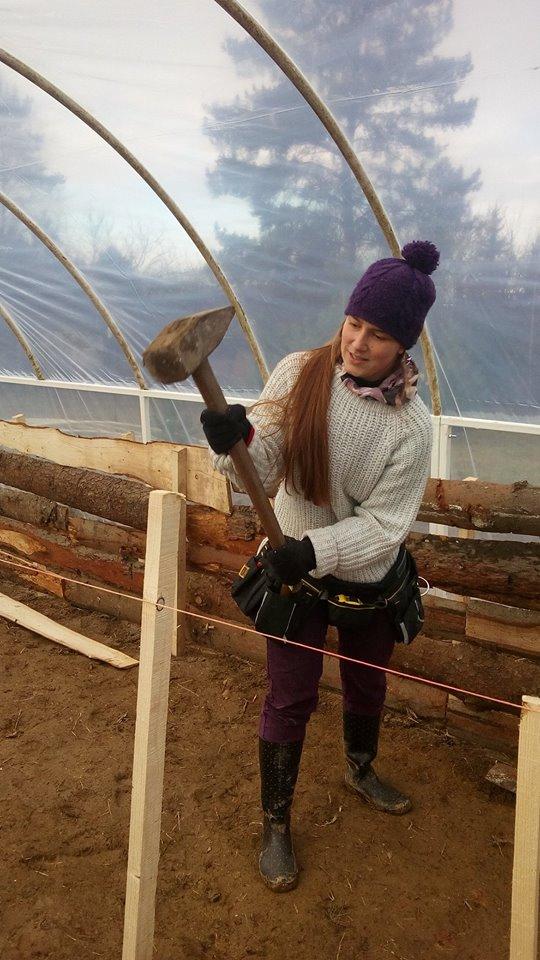
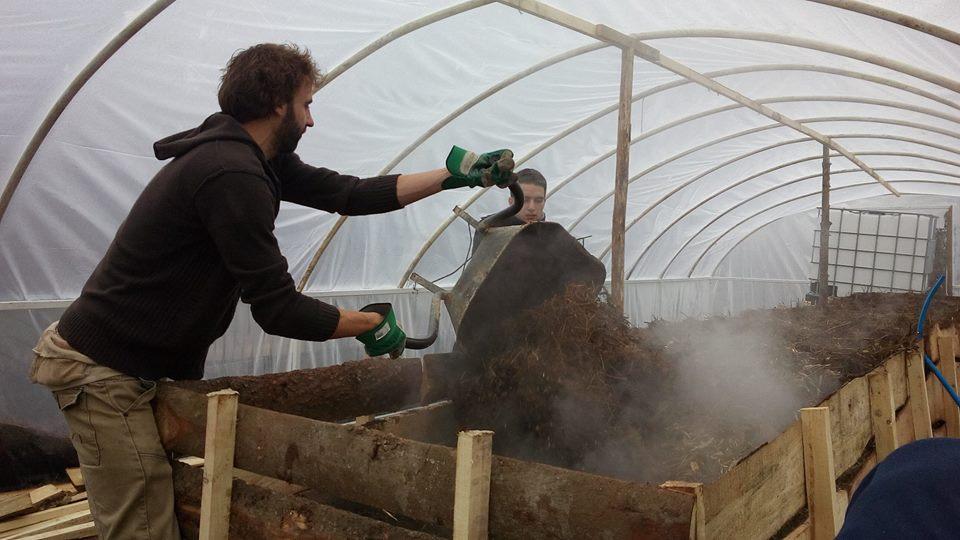
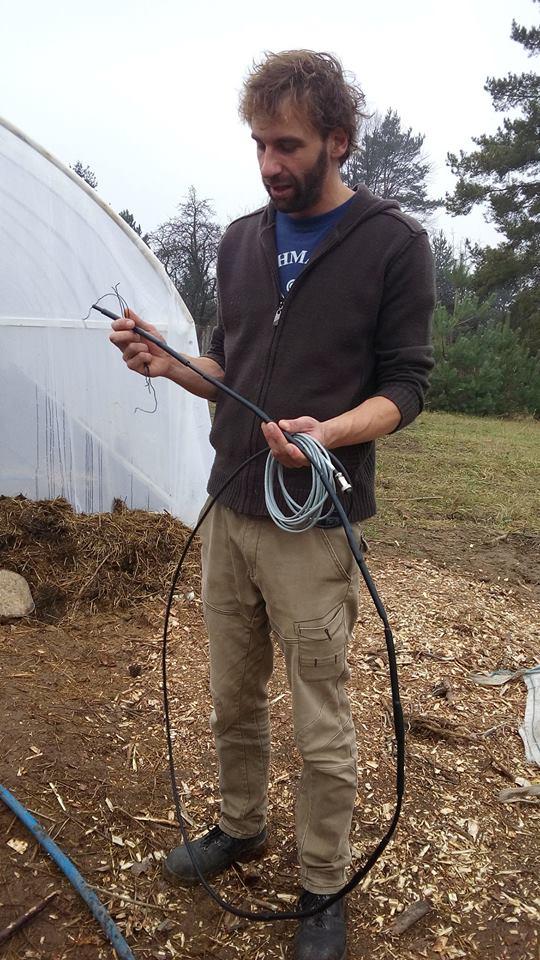
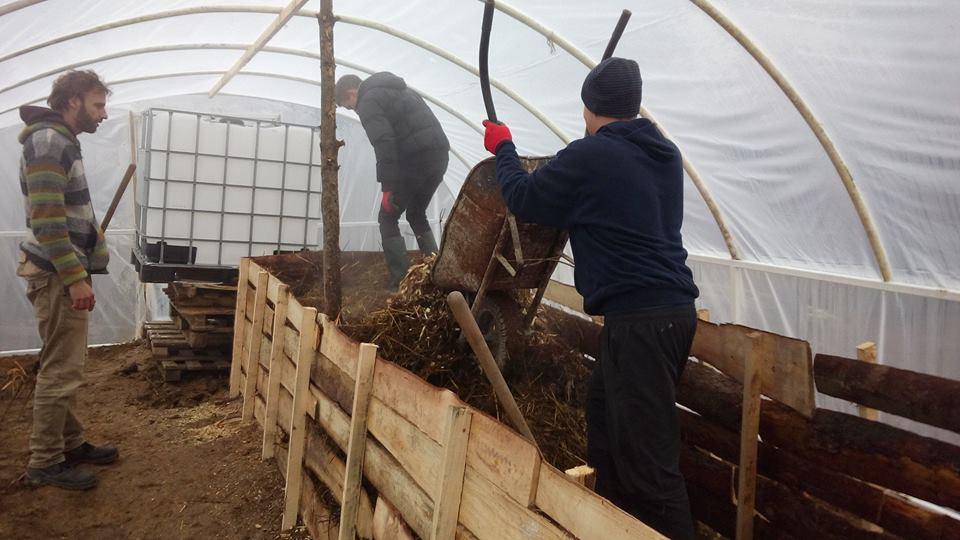
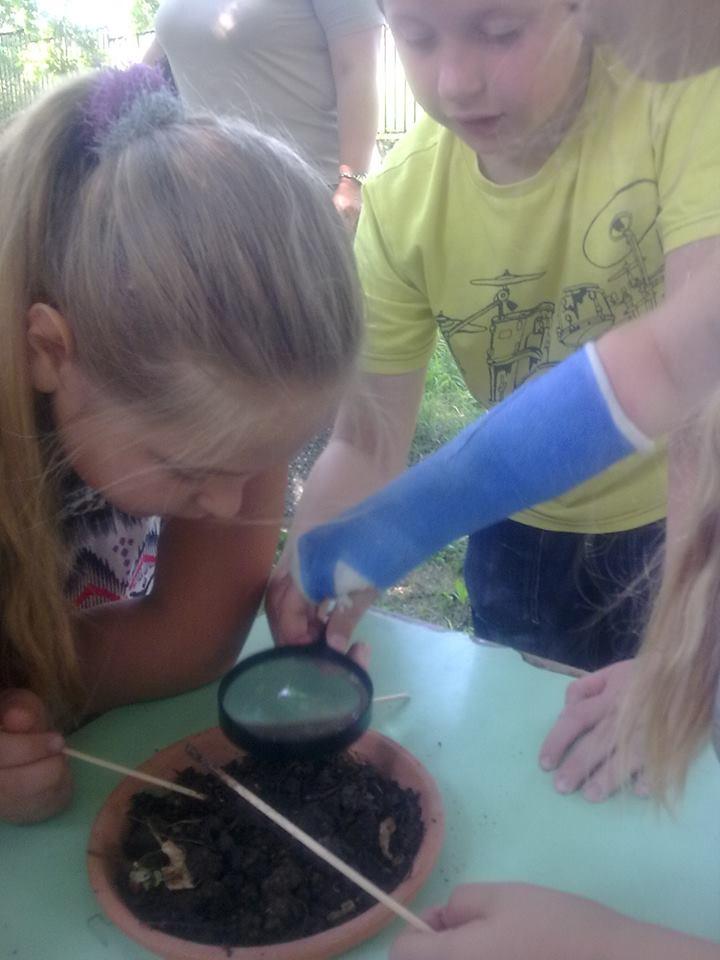
During the implementation the individual and community composting and composting practices of the district were also evaluated – in 35 instances samples were taken analyzed with the involvement of students in laboratory conditions. Composting toilets were also examined, and samples of composting toilets were investigated. A compost heated foil was erected in the Miskolc Autistic Foundation’s Varga-hill Farm, and the operation of the compost boiler was also monitored by instrumental means. The summary of these experiences were summarized in a study and has been used for advocacy purposes in order to convince local decision makers to support such practices.