

Támogatott projektek
| Project title | "Sokoróalja" larder programme |
|---|---|
| Project code | NCTA-2013-1980-E |
| Thematic area | Environment and sustainable development |
| Name of the organization | Szelence Association |
| Postal address | 9111 Tényő, Győri út 57. |
| Phone | 06 20 974 8170 |
| bazsoszilvia@gmail.com | |
| Webpage | http://szelenceegyesulet.hu/ |
| Project manager | Bazsó Szilvia |
| Project timeframe | September 30th, 2013 - January 31st, 2015 |
| Amount of support | 7,724 € |
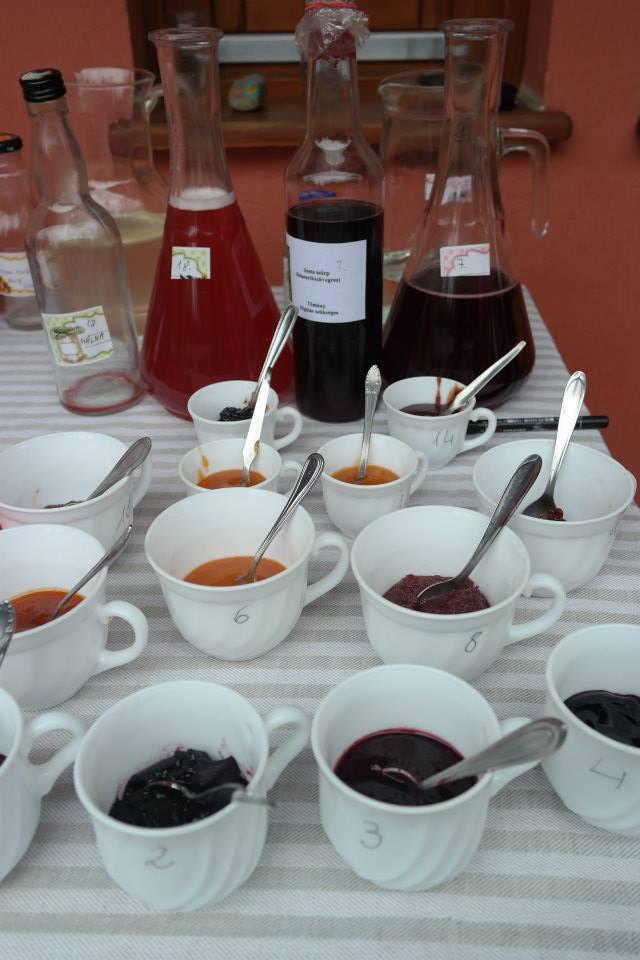
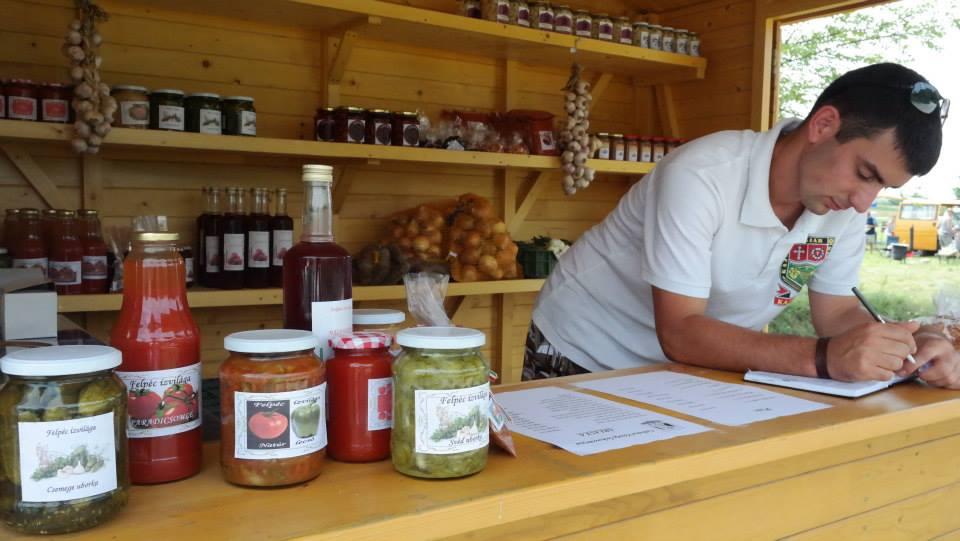
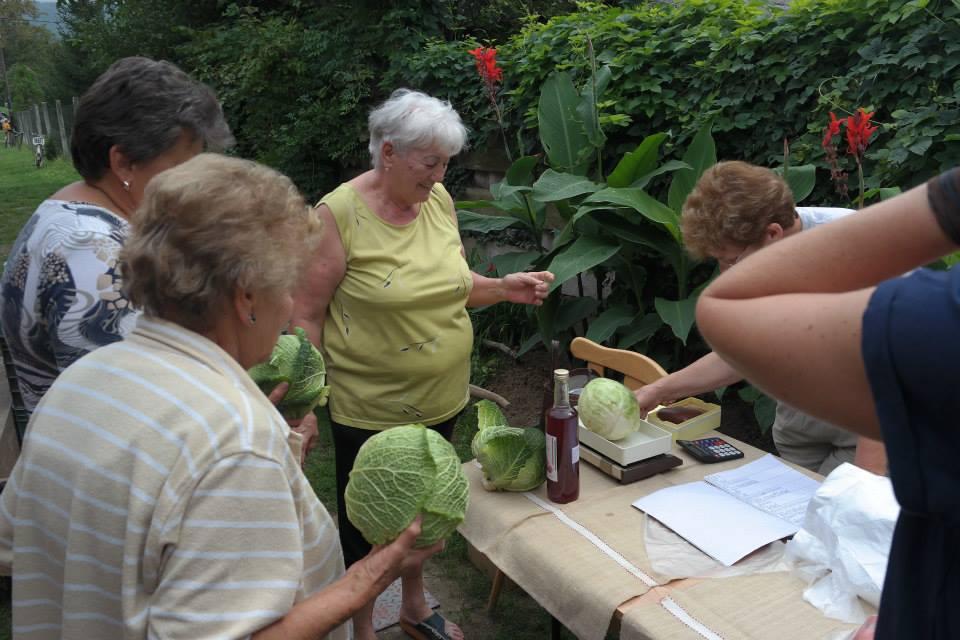
The project addressed general socio-environmental problems and challenges attributed to the unsustainable patterns of the globalized food production and distribution with a special focus on the decay of local food production capacities and diversity. In order to support a higher level of local food sovereignty and make local products more available and popular, based on a survey conducted in 4000 households of the 5 villages of the Sokoróalja microregion of Western Hungary with the aim of identifying potentials both on the supply and demand sides, marketing and awareness raising activities took place under and aided by the development of the local product brand “Sokoróalja Ladder Programme”. In the summer months of 2014 4 local product markets were organized in different villages with 35-40 producers and about 1000 visitors; installed 2 local product “shelves” in a shop and in a museum; provided writable shop boards for 68 registered producers of the area and set up 10 advertising pillars to aid their direct selling; started a local-product-based food club in the nearby Győr city. In addition, the association lobbied for the utilization of local products in the public food service resulting 3 local service providers to sign up to the initiative formally. Despite its limited size and possibilities, the project managed to develop an appropriate framework for local food marketing and distribution that can form the basis for future developments and contributed to the strengthening of the inter-village and community relations within the directly affected area.